GLP-1: what this gut hormone actually is
A short-lived signal the small intestine sends after a meal — and the model behind today’s most-discussed weight and diabetes medications.
TL;DR
- GLP-1 stands for glucagon-like peptide-1. It is a hormone the body releases from the small intestine after eating.
- It signals fullness, slows stomach emptying, and tells the pancreas to release insulin.
- GLP-1 medications like semaglutide and tirzepatide are long-acting versions designed to mimic the body’s own hormone.
What it is
GLP-1 is short for glucagon-like peptide-1. It is a hormone the body produces in response to eating (in plain English: a fullness signal the gut sends to the brain and pancreas). It belongs to a family called incretin hormones — gut hormones that talk to the pancreas about insulin (Drucker, Cell Metabolism, 2018).
The hormone is made by specialized cells in the lining of the small intestine called L-cells. They release it within minutes of food entering the gut.
How it works
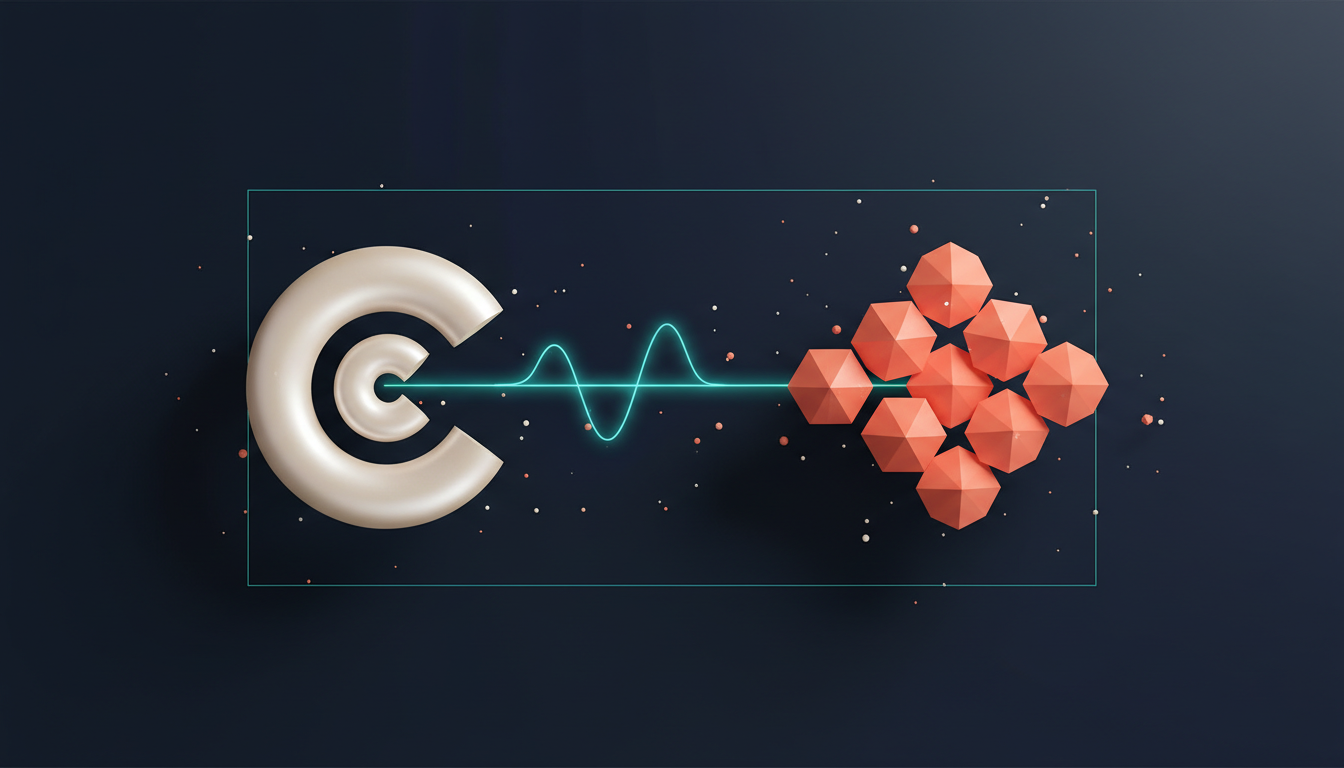
GLP-1 does several jobs at once. The simplest way to picture it is a fullness signal with extra responsibilities. After a meal, GLP-1 levels rise and tell three things to happen at once: the pancreas releases more insulin, the stomach empties more slowly, and the brain registers that the meal is over.
That is the body’s own cycle. The catch is that the body’s own GLP-1 has a half-life of just a couple of minutes — an enzyme called DPP-4 chops it up almost as fast as the body makes it (Holst, Physiological Reviews, 2007). GLP-1 medications are built to resist that enzyme, which is why they can be dosed weekly instead of every few minutes.
Who asks about it
People come to GLP-1 mostly through the conversation about semaglutide, tirzepatide, and weight loss. The honest first question is usually: “If GLP-1 is a hormone the body already makes, what is the medication actually doing differently?” That is the right question, and the answer is: the medication is the same key, designed to last much longer in the lock.
What the research says
The GLP-1 story has been built up over more than three decades. Reviews trace its discovery to the 1980s and its development as a medication starting in the early 2000s (Drucker, Cell Metabolism, 2018). Modern GLP-1 medications have been studied in large trials for type 2 diabetes, obesity, and cardiovascular outcomes. Compounded GLP-1 products are the subject of ongoing litigation (Novo Nordisk v. Hims & Hers, Feb 2026).
What to know before considering it
GLP-1 medications are prescription compounds that require a licensed clinician evaluation. Side effects in published trials include nausea, vomiting, and other gastrointestinal symptoms. Compounded GLP-1 medications are prepared by state-licensed 503A compounding pharmacies from FDA-approved active pharmaceutical ingredients and are not themselves FDA-approved.
The Halftime POV
GLP-1 is the most-studied peptide story in medicine right now. The biology is real. The medications are powerful. The access landscape is moving fast. We would rather walk through the actual hormone first — what it is, what it does, where it comes from — before any conversation about specific medications.
Related reading:
FAQ
Q: What is GLP-1? A: GLP-1 is short for glucagon-like peptide-1. It is a hormone the body releases from cells in the small intestine after a meal. It signals the pancreas to release insulin, slows stomach emptying, and tells the brain that the meal is over. It belongs to a family called incretin hormones.
Q: Where is GLP-1 made in the body? A: GLP-1 is produced mainly by L-cells in the lining of the small intestine. The cells release it within minutes of eating. The body’s own GLP-1 breaks down quickly in the bloodstream, which is why GLP-1 medications are designed to last much longer.
Q: Is GLP-1 the same as semaglutide? A: No. GLP-1 is the body’s own hormone. Semaglutide is a long-acting medication designed to mimic GLP-1 at its receptor. The medication is built to survive in the bloodstream much longer than the body’s own version, which lasts only a couple of minutes.
Disclaimer
This article is educational and is not medical advice. Compounded GLP-1 medications are prepared by state-licensed 503A compounding pharmacies from FDA-approved active pharmaceutical ingredients and are not themselves FDA-approved. GLP-1 therapies are available only with a valid prescription following a licensed clinician evaluation. Clinical outcomes depend on individual factors including baseline health, adherence, diet, and physical activity. Individual results vary. Side effects are common and may include nausea, injection-site reactions, and gastrointestinal symptoms. Halftime Health is launching soon — join the waitlist to get updates.
Get updates
Halftime Health is launching soon. We’ll share what we learn along the way — the research, the regulations, the real-world trade-offs. Join the waitlist and we’ll email you when we’re live.
Sources
- Drucker DJ. Mechanisms of action and therapeutic application of glucagon-like peptide-1. Cell Metabolism, 2018.
- Holst JJ. The physiology of glucagon-like peptide 1. Physiological Reviews, 2007.
Sources & references
- pubmed.ncbi.nlm.nih.gov — https://pubmed.ncbi.nlm.nih.gov/29466258/
- pubmed.ncbi.nlm.nih.gov — https://pubmed.ncbi.nlm.nih.gov/17928588/