The HPA-HPG axis: how stress fights testosterone
The brain has two pipelines that share the same plumbing — and one can choke the other.
TL;DR
- The body has a stress system (HPA axis) and a reproductive system (HPG axis), and they share signaling real estate in the brain.
- When the HPA axis runs hot for too long, it can dampen the HPG axis — and testosterone drifts down.
- This is biology, not weakness. But it is also reversible for most people when the inputs change.
What it is
The HPA axis is the body’s stress pipeline. The acronym expands to hypothalamus → pituitary → adrenal glands (in plain English: the brain’s command center talks to a small gland under the brain, which talks to the glands on top of your kidneys). It ends in cortisol — the main stress hormone.
The HPG axis is the testosterone pipeline. It expands to hypothalamus → pituitary → gonads. Same brain command center, same downstream gland, different end-organ: the testes (or ovaries). It ends in testosterone.
How it works
Picture the brain like a single switchboard with two phone lines — one labeled STRESS, one labeled TESTOSTERONE. When the STRESS line lights up briefly, the switchboard handles both calls fine. When STRESS lights up all day every day, the operator starts ignoring the TESTOSTERONE line.
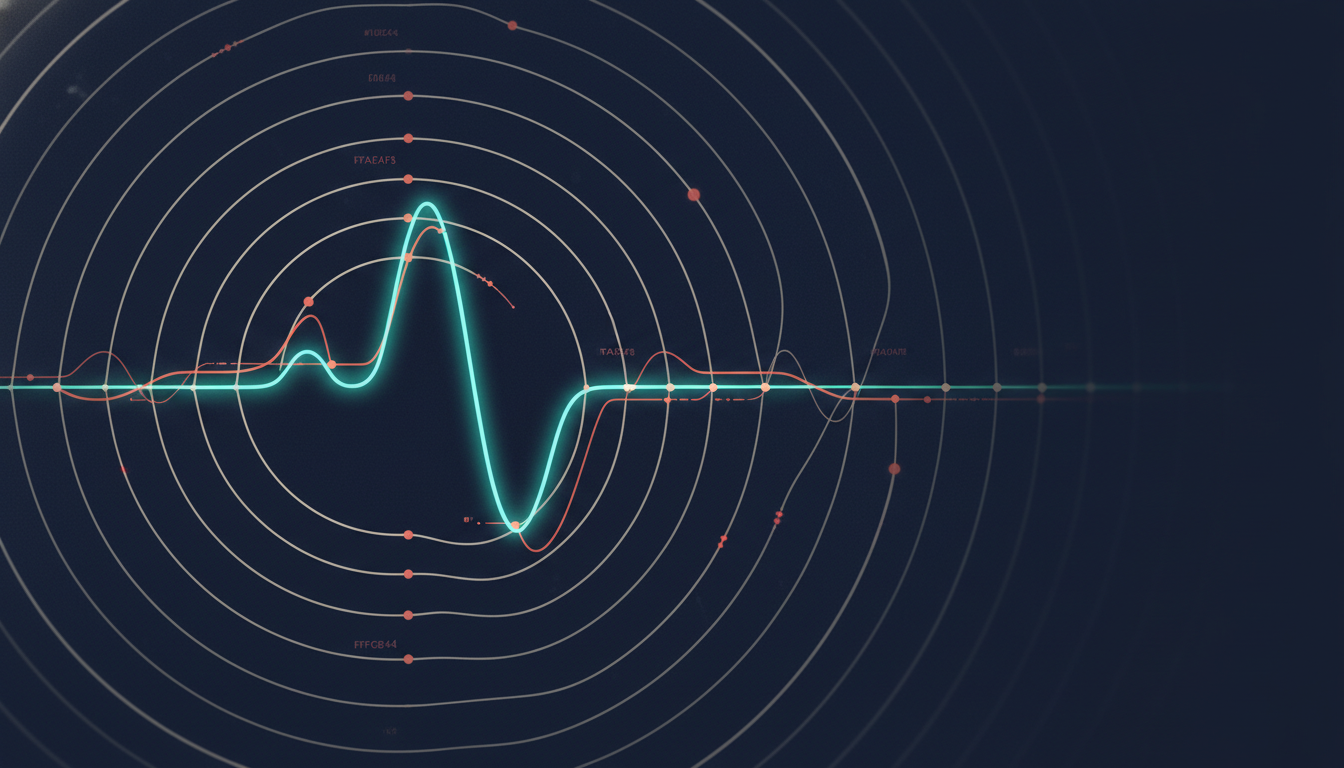
In biological terms: prolonged cortisol exposure suppresses the brain pulse called GnRH (gonadotropin-releasing hormone, the kickoff signal for testosterone production). With a weaker GnRH pulse, the pituitary releases less luteinizing hormone, and the testes make less testosterone (Whirledge & Cidlowski, 2017).
Who asks about it
People come to this topic after a stressful year — a startup launch, a divorce, a sick parent — and see new symptoms: low morning energy, lower libido, lab numbers drifting. They want to know if the stress is the cause or just the coincidence. The answer is usually “both, and the biology is real.”
What the research says
Human studies show that sustained psychological stress, surgical stress, and overtraining all measurably reduce testosterone for days to weeks. The size of the drop depends on intensity, duration, and baseline. About 1 in 4 men in chronic-stress cohorts shows clinically meaningful suppression. The drop is usually reversible once the stressor eases. Sleep loss, alcohol, and large weight changes all compound the effect.
What to know before considering it
Low testosterone has many causes — not just stress. Before assuming the stress link, a clinician evaluation and lab panel are the right starting point. Self-diagnosing and ordering testosterone or peptides from gray-market sources skips the step where someone checks for the actual cause. Any peptide therapy requires a licensed clinician.
The Halftime POV
The “man up” framing fails here. Cortisol is doing exactly what it evolved to do — protect you in the short term, at the cost of long-term systems. Proactive medicine for your second half means reading the inputs honestly: how is sleep, how is training load, how is the year. The labs follow the life.
Related reading:
- Testosterone lab tests: total vs free vs bioavailable
- Erectile dysfunction as a vascular health signal
- Resistance training and protein: the sarcopenia floor
FAQ
Q: Does stress actually lower testosterone? A: Sustained stress elevates cortisol, which can suppress the brain signals that drive testosterone production. The effect is dose- and time-dependent.
Q: What is the HPA-HPG axis? A: The HPA axis is the stress system. The HPG axis is the reproductive and testosterone system. They share signaling real estate in the brain, and the HPA axis can dampen the HPG axis.
Q: Will managing stress fix low testosterone? A: Not always. Stress is one input among many — sleep, body fat, medications, age, and underlying conditions all matter. Lab work and a clinician evaluation come first.
Q: Are cortisol-lowering supplements a real fix? A: Most over-the-counter cortisol-lowering products have weak human evidence. Behavior changes — sleep, training load, alcohol — usually move the needle more.
Disclaimer
This article is educational and is not medical advice. Compounded medications are not FDA-approved. Clinical outcomes depend on individual factors and require physician evaluation. Results vary. Halftime Health is launching soon — join the waitlist to get updates.
Get updates
Halftime Health is launching soon. We’ll share what we learn along the way — the research, the regulations, the real-world trade-offs. Join the waitlist and we’ll email you when we’re live.
Sources
- Whirledge S, Cidlowski JA, “Glucocorticoids and reproduction,” Trends Endocrinol Metab (2017)
- Endocrine Society, “Hormones and endocrine function”
This article discusses compounds that are currently under FDA Category 2 review (see our FDA categorization explainer). These compounds are not currently part of Halftime Health’s published protocol catalog. This article is provided for educational purposes only and does not constitute medical advice or an offer to sell.
Sources & references
- pubmed.ncbi.nlm.nih.gov — https://pubmed.ncbi.nlm.nih.gov/28482590/
- endocrine.org — https://www.endocrine.org/patient-engagement/endocrine-library/hormones-and-endocrine-function