What is a peptide: a plain-English primer
A short chain of amino acids — bigger than a single building block, smaller than a protein, and often a signal the body already speaks fluently.
TL;DR
- A peptide is a short chain of amino acids — usually 2 to about 50 — linked together in a specific order.
- Amino acids are the same building blocks the body uses to make proteins. Length is the main thing that separates peptides from proteins.
- Many peptides act as biological signals. Insulin is one familiar example.
What it is
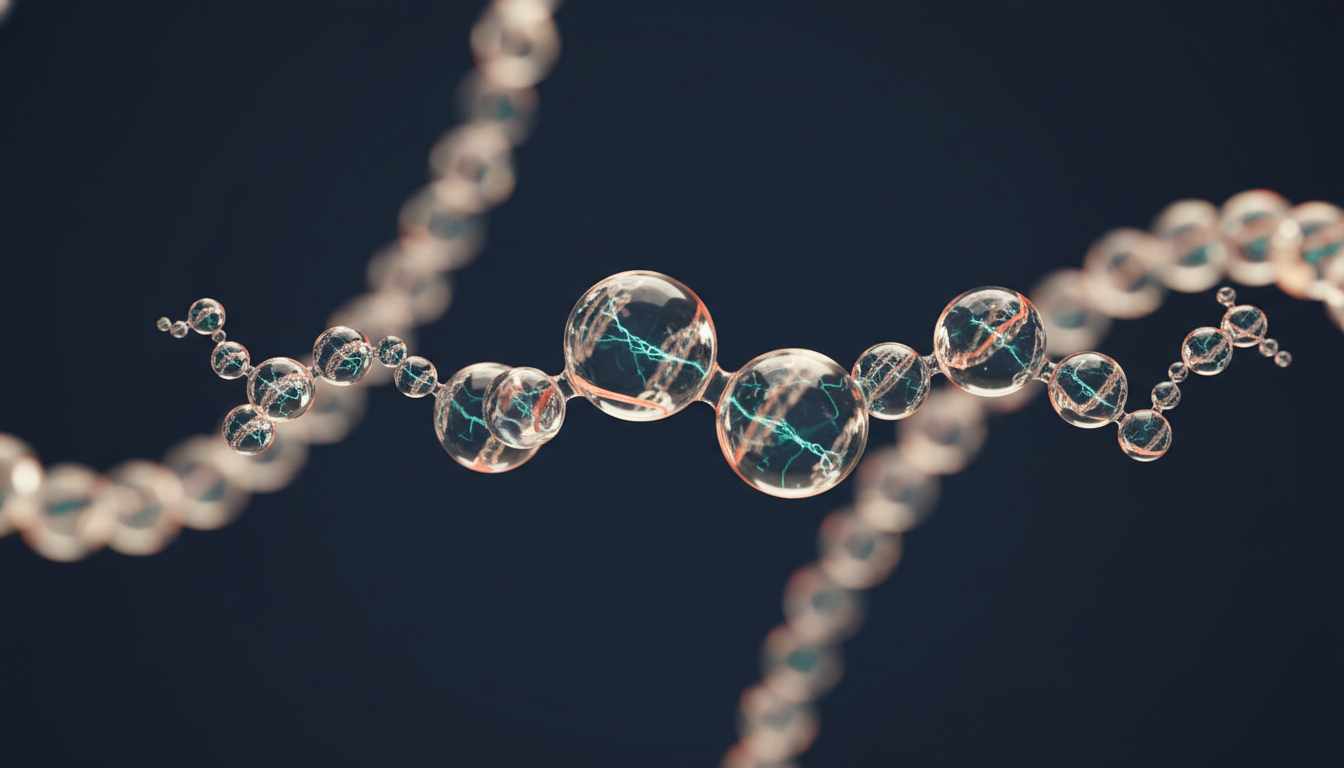
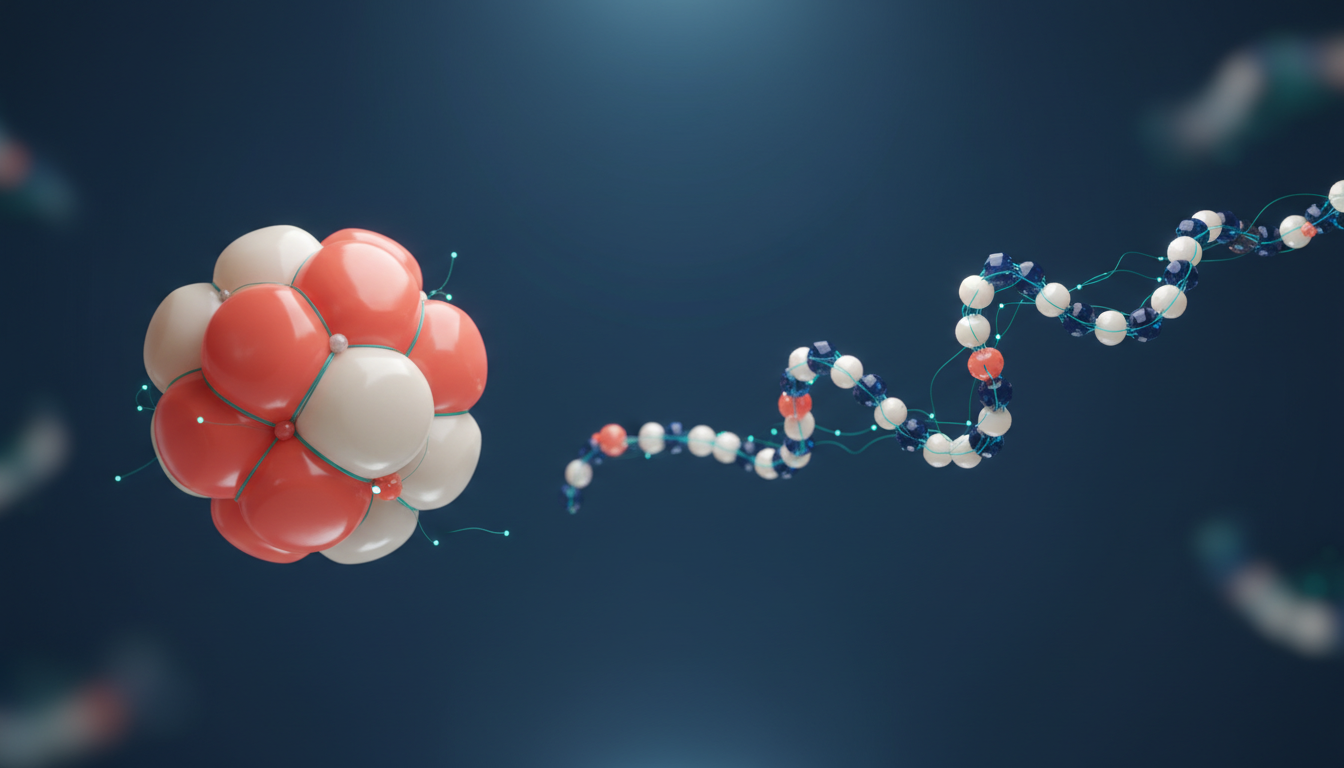
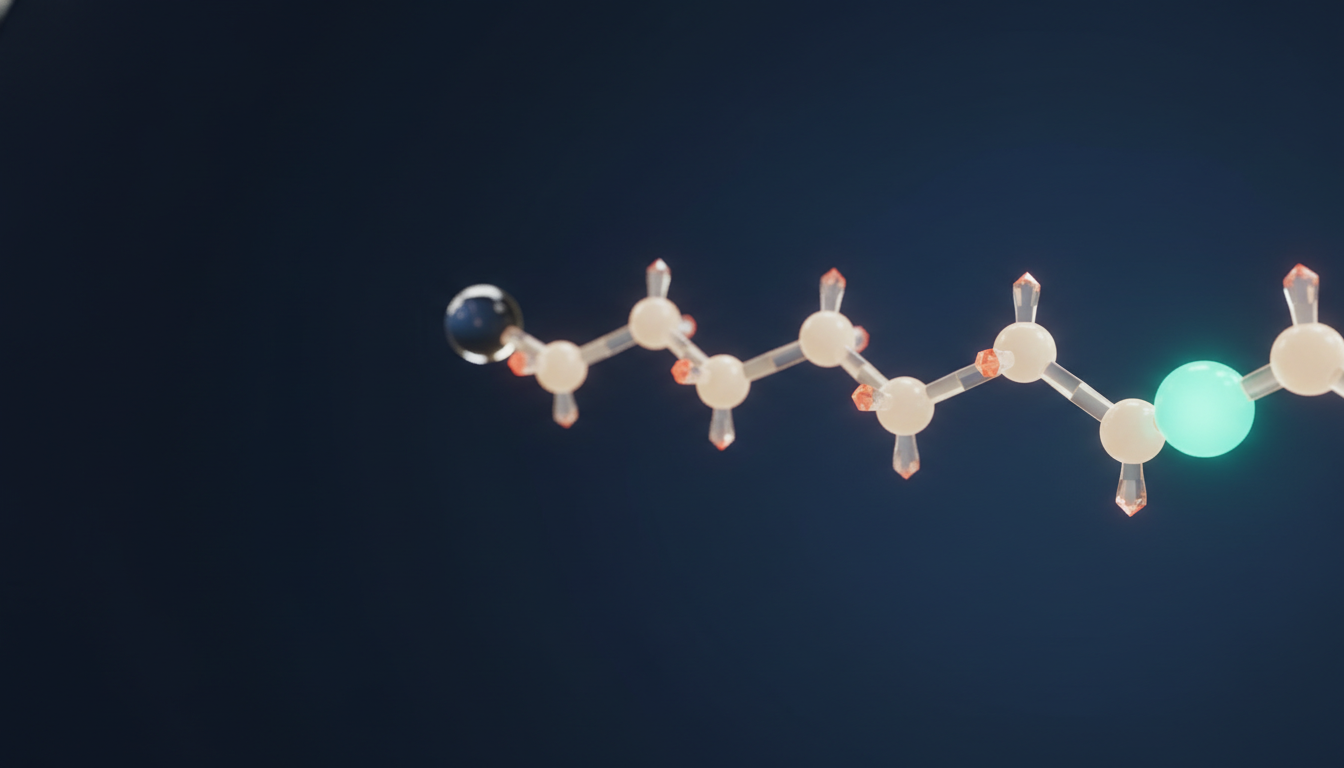
A peptide is a short chain of amino acids (in plain English: small molecules the body uses as building blocks). Picture a string of beads. Each bead is an amino acid. A peptide is the string when only a few beads are on it — usually two to about fifty. A protein is the same kind of string, just much longer (NIH Bookshelf, 2002).
The order of the beads matters. The same handful of amino acids in a different order can produce a completely different signal in the body. That order is what makes one peptide a sleep helper and another a wound-healing candidate.
How it works
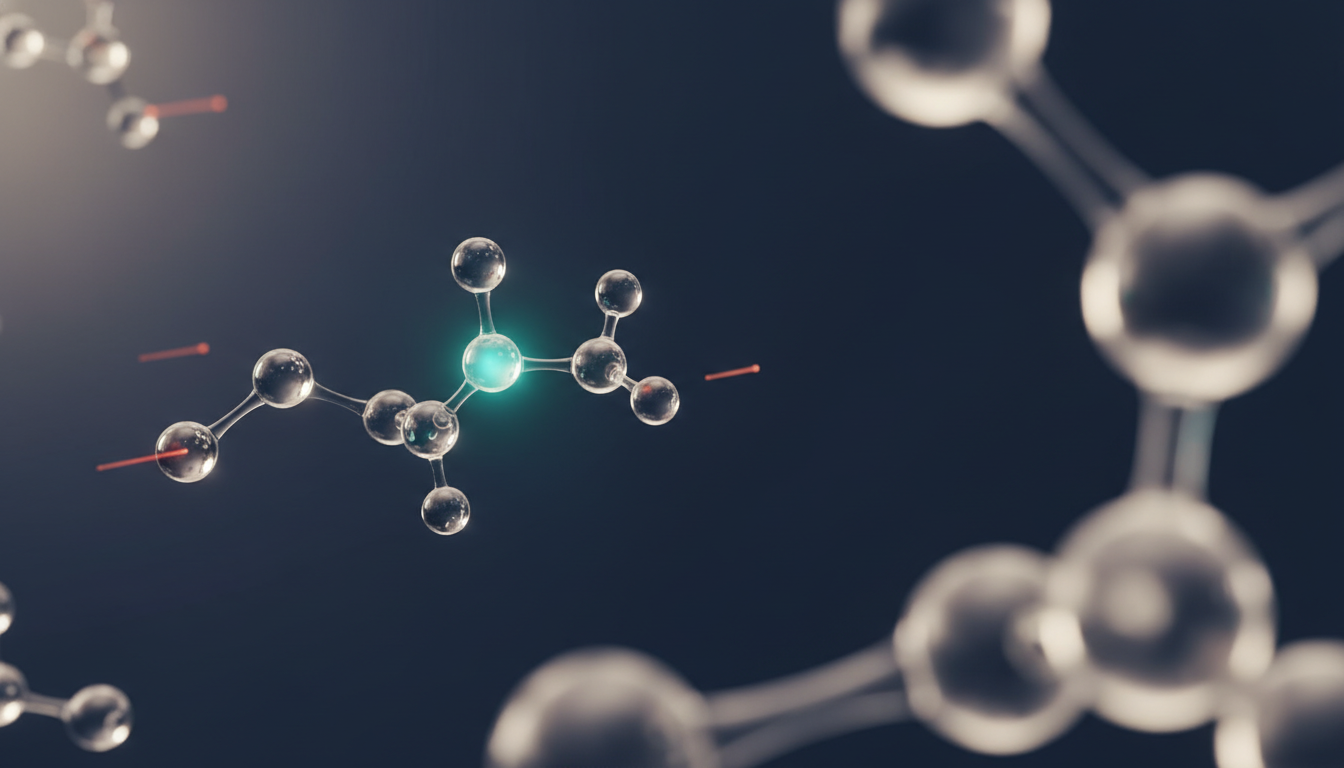
Peptides work mostly by acting as signals. Think of receptors on the surface of a cell as locks. A peptide with the right shape is a key. When the key fits, a message gets passed to the inside of the cell — for example, “release insulin” or “start repairing this tissue.” This is the same lock-and-key idea your body uses with its own hormones every day (Wang et al., Frontiers in Pharmacology, 2018).
Because peptides are small, they break down faster than proteins. That short life span is part of why most therapeutic peptides are injected rather than swallowed.
Who asks about it
People come to this question after hearing “peptide therapy” in a podcast, at the gym, or from a friend. The honest first question is usually: what even is a peptide, and is it a drug, a supplement, or something else entirely?
What the research says
Peptide research is not new. Insulin, isolated in 1921, is a peptide. Over the past century, scientists have catalogued thousands of peptides the body makes on its own and built synthetic versions for research and medicine. The U.S. National Library of Medicine indexes tens of thousands of peer-reviewed studies on peptide biology (NIH Bookshelf, 2002). Some peptides are well established as medicines — insulin and GLP-1 medications are peptides. Others are still being studied.
What to know before considering it
“Peptide” is a category, not a verdict. Some peptides are FDA-approved medications, like insulin. Some are prepared by state-licensed compounding pharmacies — those compounded versions are not themselves FDA-approved. Some are research compounds with limited human data. Any peptide therapy requires evaluation by a licensed clinician.
The Halftime POV
The word “peptide” carries a lot of baggage. Strip away the marketing and you are left with a simple fact: peptides are short chains of amino acids the body already uses to send messages. That is interesting enough on its own.
Related reading:
- What are peptides? A plain-English primer
- How peptides differ from hormones
- Peptides vs small molecules
FAQ
Q: What is a peptide in plain English? A: A peptide is a short chain of amino acids linked together. Amino acids are the building blocks the body uses to make proteins. A peptide is what you get when you string just a few of those blocks together — usually anywhere from 2 to about 50.
Q: How is a peptide different from a protein? A: Peptides and proteins are made from the same building blocks — amino acids — and the only practical difference is length. Most scientists call a chain of fewer than about 50 amino acids a peptide. Anything longer is usually called a protein.
Q: Are peptides hormones? A: Some peptides are hormones, but most are not. Insulin is a peptide and a hormone. Many peptides act as signaling molecules without meeting the formal definition of a hormone. The category “peptide” is about size and structure, not job description.
Disclaimer
This article is educational and is not medical advice. Compounded medications are not FDA-approved. Clinical outcomes depend on individual factors and require physician evaluation. Results vary. Halftime Health is launching soon — join the waitlist to get updates.
Get updates
Halftime Health is launching soon. We’ll share what we learn along the way — the research, the regulations, the real-world trade-offs. Join the waitlist and we’ll email you when we’re live.
Sources
- Berg JM, Tymoczko JL, Stryer L. Biochemistry — Peptide bonds and amino acids. NIH Bookshelf, 2002.
- Wang L, et al. Therapeutic peptides: current applications and future directions. Frontiers in Pharmacology, 2018.
Sources & references
- ncbi.nlm.nih.gov — https://www.ncbi.nlm.nih.gov/books/NBK22389/
- pubmed.ncbi.nlm.nih.gov — https://pubmed.ncbi.nlm.nih.gov/29366092/