CJC-1295 with DAC vs without DAC: which form and why
The short version: same peptide backbone, very different half-life — and clinicians pick between them based on whether they want a steady level or a quick pulse.
TL;DR
- CJC-1295 comes in two forms: with DAC and without DAC. The science is the same; the staying power is different.
- With-DAC sticks around for about a week. Without-DAC is gone in about 30 minutes.
- The “right” form depends on the protocol goal — steady support vs mimicking the body’s natural pulses.
What it is
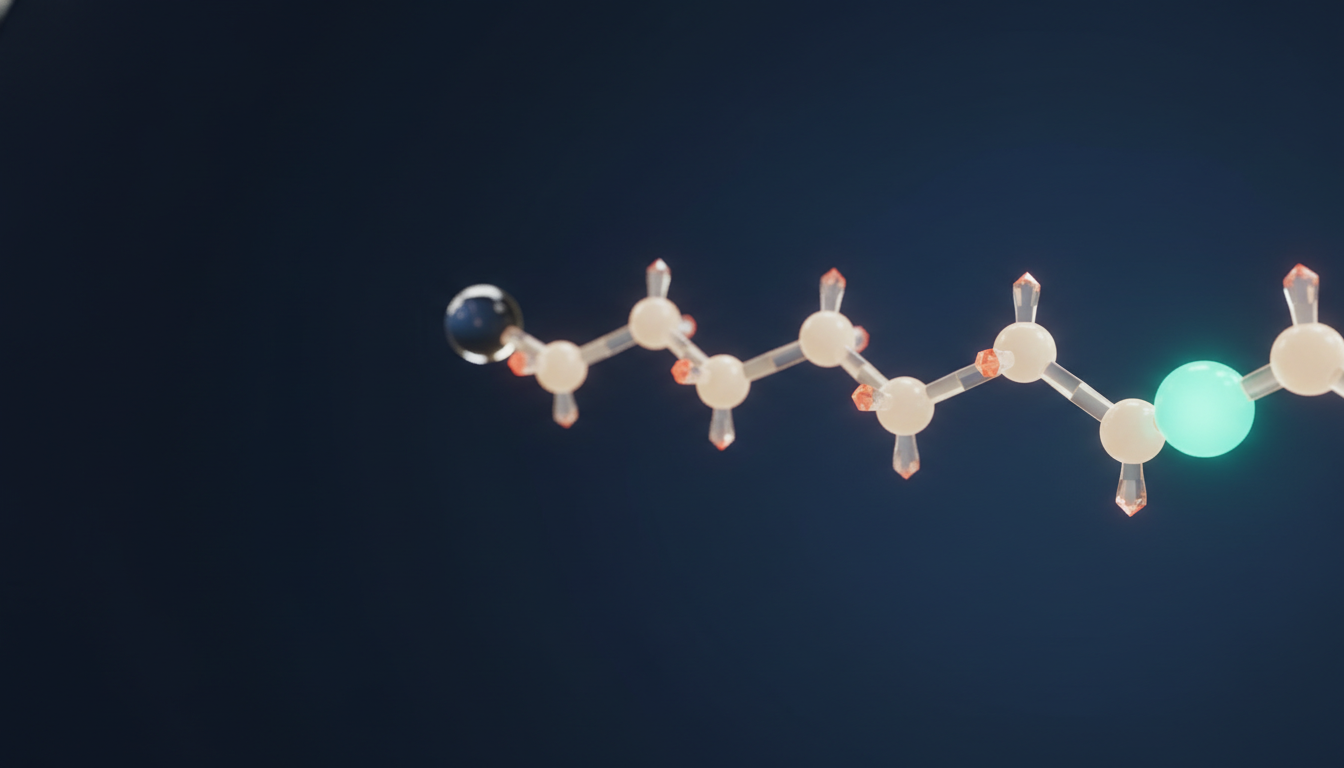
CJC-1295 is a synthetic version of GHRH (in plain English: growth hormone-releasing hormone, the body’s signal that tells the pituitary gland to release growth hormone). It comes in two forms. Without DAC, it is essentially modified GRF 1-29, a short-acting GHRH analog. With DAC (in plain English: a Drug Affinity Complex, a small chemical clip added to the molecule), the peptide binds to albumin (a common blood protein) and circulates for days instead of minutes (Teichman et al., J Clin Endocrinol Metab, 2006).
How it works
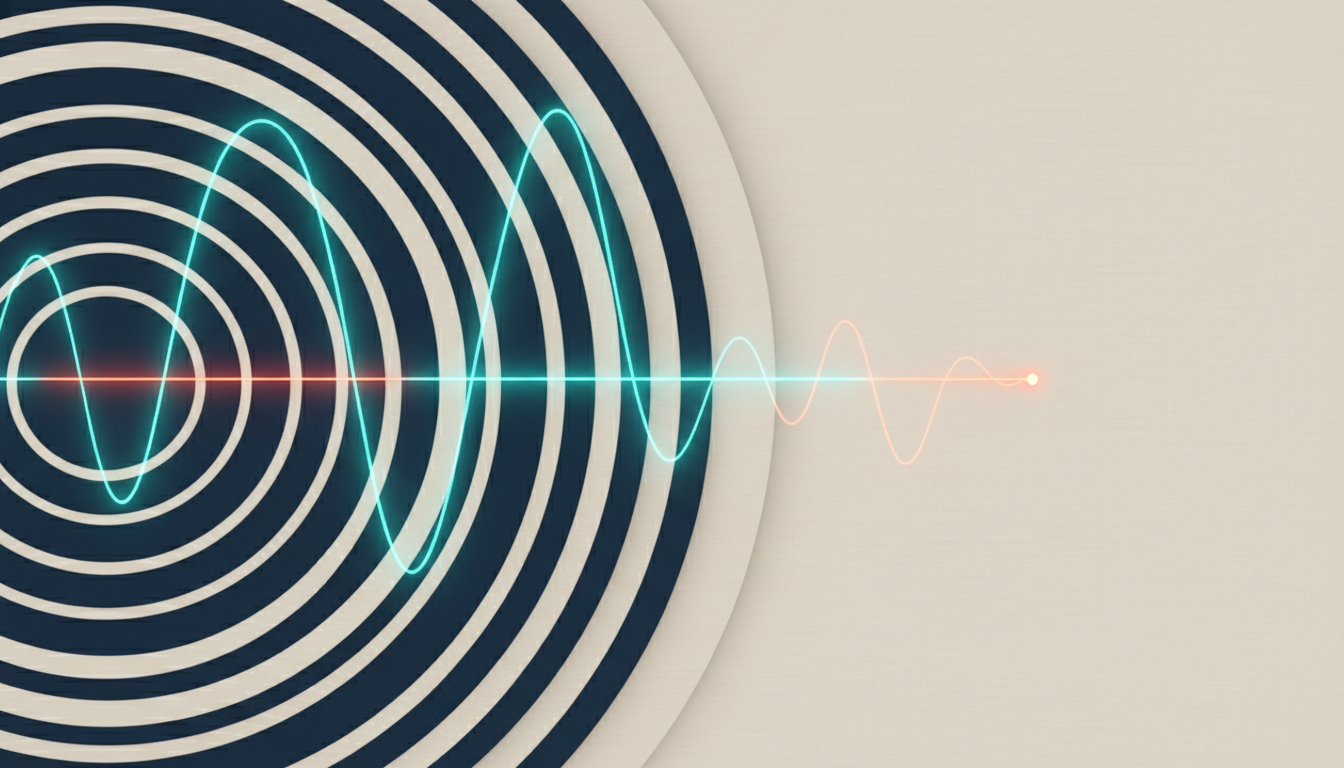
Think of GHRH like a doorbell at the pituitary gland. The body normally rings that doorbell in short, repeated pulses through the day. CJC-1295 without DAC presses the bell once and then disappears, mimicking one natural pulse. CJC-1295 with DAC clips a magnet to your finger so the bell keeps ringing softly for a week. Both ring the same doorbell — the GHRH receptor — but the rhythm is different. The pituitary then releases growth hormone in response.
Who asks about it
People come to this question when they have read about CJC-1295 and noticed the same name keeps appearing with two different prices, dosing schedules, and warnings. The confusion is fair. The two forms are made from the same peptide backbone but behave very differently in the body.
What the research says
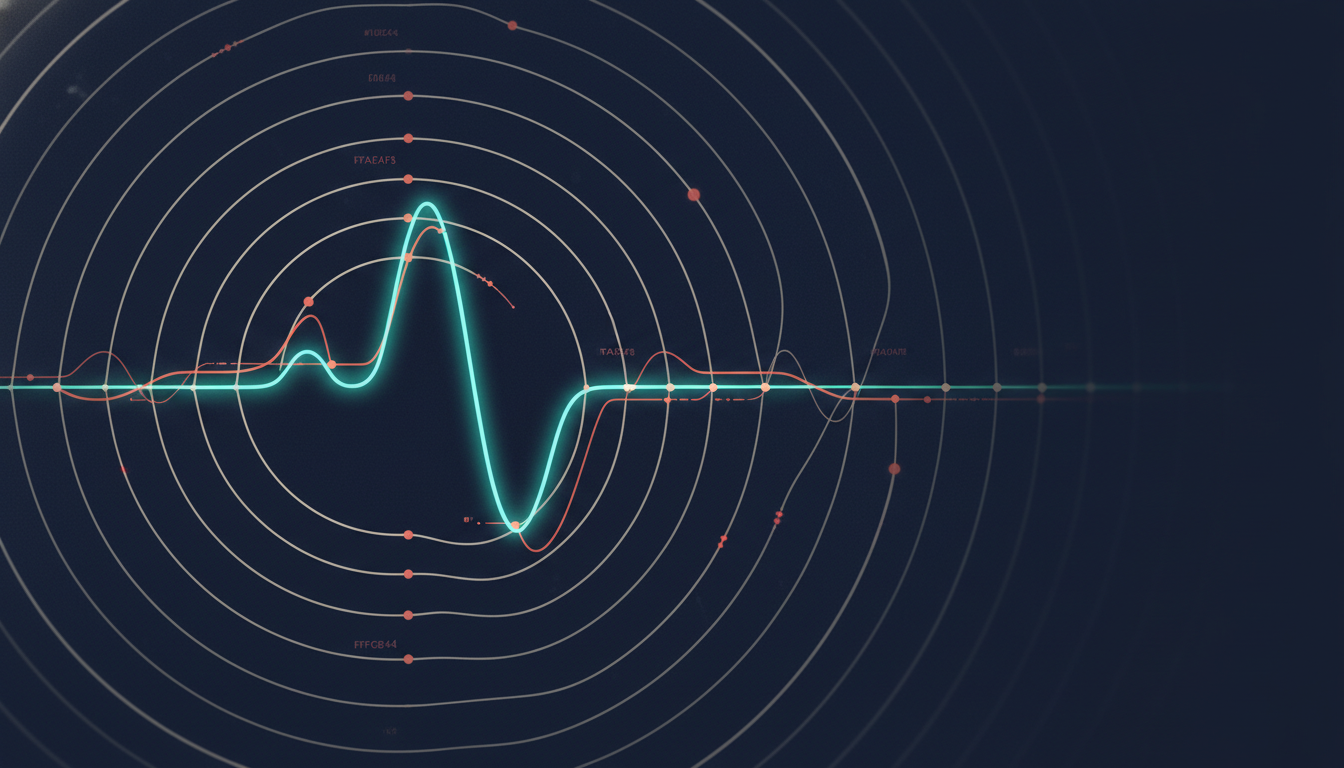
A 2006 study in healthy adults showed CJC-1295 with DAC raised growth hormone and IGF-1 (in plain English: insulin-like growth factor 1, a downstream marker of growth hormone activity) for up to 11 days after a single injection (Teichman et al., 2006). The without-DAC form has a half-life under 30 minutes and produces a brief growth-hormone pulse only (Ionescu and Frohman, J Clin Endocrinol Metab, 2006). About 4 in 10 people on the long-acting form report mild facial flushing in the first dose.
What to know before considering it
Neither form is FDA-approved. Both are obtained through state-licensed 503A compounding pharmacies under physician prescription. The longer half-life of the DAC form means side effects last longer too, and any peptide protocol requires baseline labs and clinician oversight. Stacking with ipamorelin is common but should be coordinated by a prescribing clinician.
The Halftime POV
The DAC-vs-no-DAC question gets framed as “which is better” online. It is really “which is right for the protocol.” Steady weekly background or short pulses that mimic the body — different goals, different forms. The honest conversation starts with what the patient is trying to support, not with which form is trendier.
Related reading:
- CJC-1295: what this modified GHRH peptide is
- How CJC-1295 extends GHRH signaling: the mechanism
- Peptide half-life basics: why dosing schedules vary
FAQ
Q: What does DAC mean in CJC-1295? A: DAC stands for Drug Affinity Complex. It is a small chemical attachment that lets the peptide bind to albumin in the blood, which extends how long the molecule stays active from minutes to about a week.
Q: Is CJC-1295 with DAC better than without? A: Neither form is universally better. With-DAC produces a steady, week-long elevation. No-DAC produces a short pulse that more closely matches the body’s natural rhythm. Clinicians choose based on the goal.
Q: Is CJC-1295 FDA-approved? A: No. CJC-1295 in either form is not FDA-approved. It is a research compound prepared by state-licensed 503A compounding pharmacies under physician prescription.
Disclaimer
This article is educational and is not medical advice. Compounded medications are not FDA-approved. Clinical outcomes depend on individual factors and require physician evaluation. Results vary. Halftime Health is launching soon — join the waitlist to get updates.
Get updates
Halftime Health is launching soon. We’ll share what we learn along the way — the research, the regulations, the real-world trade-offs. Join the waitlist and we’ll email you when we’re live.
Sources
- Teichman SL et al. — J Clin Endocrinol Metab, 2006: Prolonged stimulation of growth hormone (GH) and insulin-like growth factor I secretion by CJC-1295
- Ionescu M, Frohman LA — J Clin Endocrinol Metab, 2006: Pulsatile secretion of growth hormone and CJC-1295 short-acting analog comparison
This article discusses compounds that are currently under FDA Category 2 review (see our FDA categorization explainer). These compounds are not currently part of Halftime Health’s published protocol catalog. This article is provided for educational purposes only and does not constitute medical advice or an offer to sell.
Sources & references
- pubmed.ncbi.nlm.nih.gov — https://pubmed.ncbi.nlm.nih.gov/16352683/
- pubmed.ncbi.nlm.nih.gov — https://pubmed.ncbi.nlm.nih.gov/16352684/