CJC-1295: what this modified GHRH peptide is
A 30-amino-acid GHRH analog with two stability tweaks — one for shelf life, one for bloodstream half-life.
TL;DR
- CJC-1295 is a synthetic peptide that copies the active part of GHRH (growth-hormone-releasing hormone) with small modifications for stability.
- The “with DAC” version adds a chemical handle that lets the peptide bind to albumin, extending its action from minutes to days.
- Like sermorelin, CJC-1295 is a signaling peptide — it tells the pituitary to release growth hormone rather than supplying it directly.
What it is
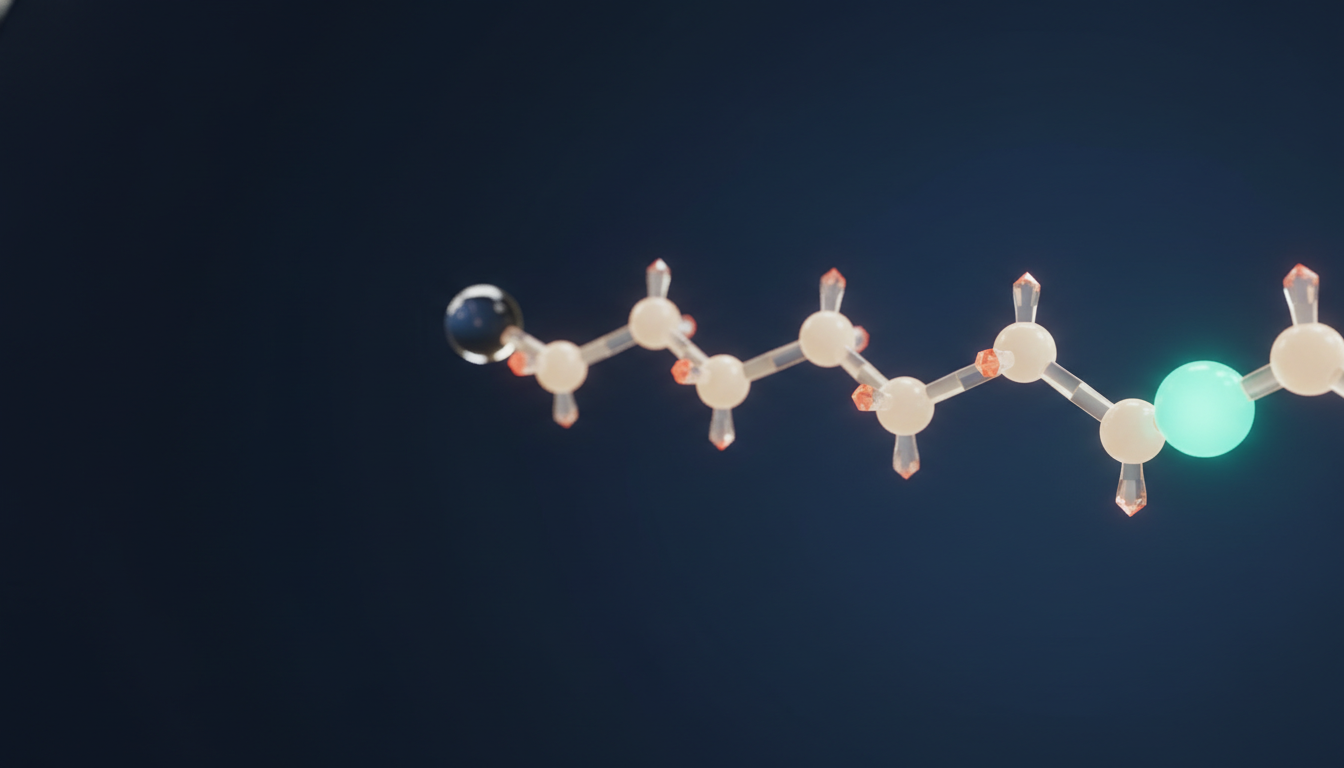
CJC-1295 is a synthetic GHRH analog (in plain English: a lab-made copy of the brain’s growth-hormone-releasing signal, with small tweaks). The peptide is 30 amino acids long, including a tail amino acid added for stability. Two versions exist: the base molecule, sometimes called modified GRF(1-29), and the long-acting version called CJC-1295 with DAC. They look almost identical on paper. The difference matters because it changes how long the peptide is active in the body.
How it works
The pituitary gland is a small organ that sits beneath the brain — think of it as a chemical thermostat for several hormone systems. CJC-1295 acts like a finger tapping the dial. It binds to the GHRH receptor on pituitary cells and signals them to release a pulse of the body’s own growth hormone (Walker, Clinical Interventions in Aging, 2006).
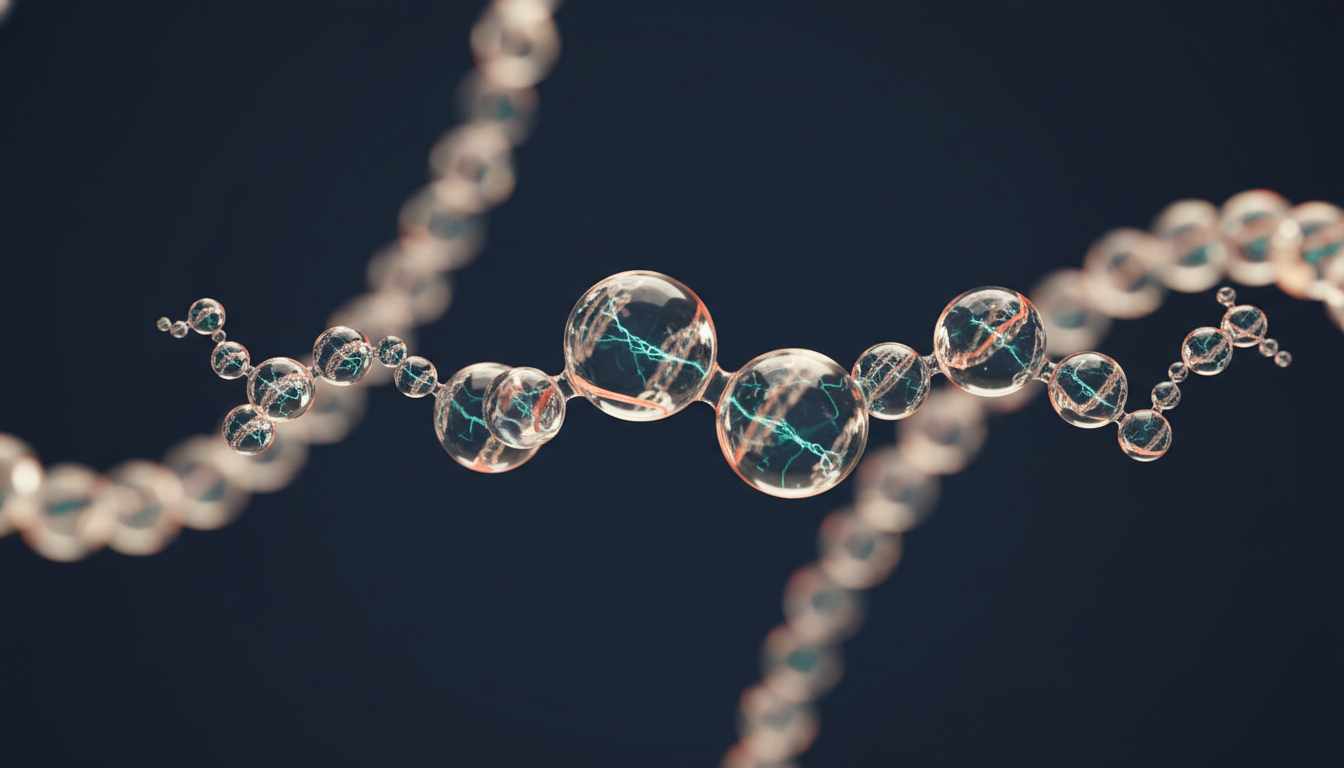
The DAC modification (Drug Affinity Complex) is a small chemical handle that lets the peptide latch onto albumin, the most abundant protein in the bloodstream. Albumin is a slow-moving carrier — when CJC-1295 hitches a ride, the body cannot clear it quickly. The half-life jumps from roughly 30 minutes to about 6 to 8 days (Teichman et al., Journal of Clinical Endocrinology & Metabolism, 2006).
Who asks about it
People come to this topic when a peptide protocol mentions CJC-1295 alongside other compounds and they want to know what it actually is. They also ask when comparing it to sermorelin or trying to understand the “with DAC vs no DAC” distinction.
What the research says
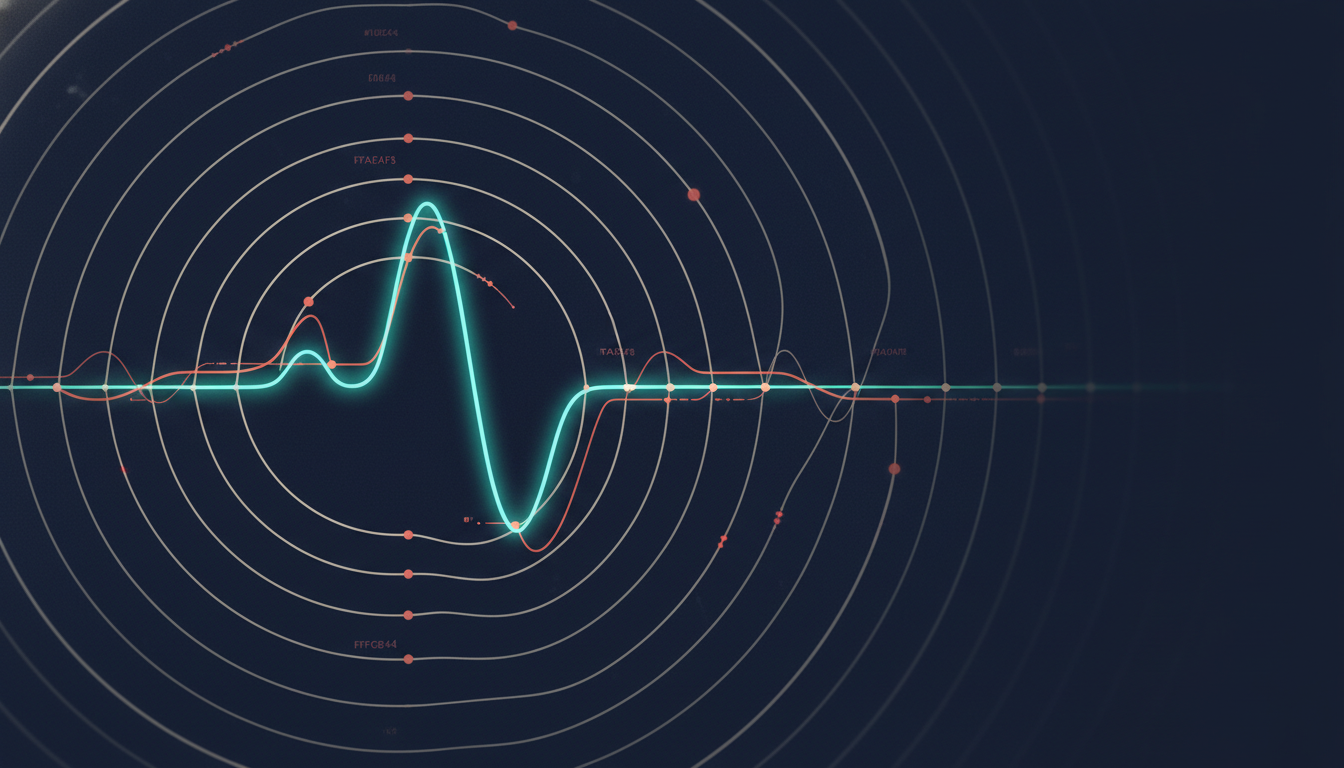
The 2006 Teichman pharmacokinetic study remains the foundational human reference for the DAC version. It documented sustained growth hormone elevation after a single injection in healthy adults. Subsequent reviews have characterized CJC-1295 as a long-acting GHRH analog that maintains pulsatile release patterns rather than producing a flat elevation.
What to know before considering it
CJC-1295 is a prescription medication and any access requires a licensed clinician evaluation. Side-effect data, dosing schedules, and contraindications are covered in dedicated posts.
The Halftime POV
The DAC modification is one of the cleaner examples of how a small chemistry change reshapes how a peptide fits into a real life. Daily injection or weekly injection is not just convenience — it is a different protocol with a different concentration curve. That is the kind of detail worth understanding before a prescription, not after.
Related reading:
- Sermorelin explained: the GHRH analog
- CJC-1295 + Ipamorelin: why they are often combined
- Peptide half-life basics: why dosing schedules vary
FAQ
Q: What is CJC-1295? A: CJC-1295 is a synthetic peptide built from a modified version of the active fragment of GHRH (growth-hormone-releasing hormone). It binds to GHRH receptors in the pituitary and triggers a pulse of the body’s own growth hormone.
Q: What does the DAC in CJC-1295 with DAC mean? A: DAC stands for Drug Affinity Complex. It is a small chemical handle attached to the peptide that allows it to bind to albumin in the bloodstream. That binding dramatically slows clearance and turns a short-acting peptide into a long-acting one.
Q: How is CJC-1295 different from sermorelin? A: Both are GHRH analogs that activate the same receptor. Sermorelin is the natural 1–29 fragment. CJC-1295 has small chemical changes that make it more stable, and the DAC version adds the albumin handle that extends half-life from minutes to days.
Disclaimer
This article is educational and is not medical advice. Compounded medications are not FDA-approved. Clinical outcomes depend on individual factors and require physician evaluation. Results vary. Halftime Health is launching soon — join the waitlist to get updates.
Get updates
Halftime Health is launching soon. We’ll share what we learn along the way — the research, the regulations, the real-world trade-offs. Join the waitlist and we’ll email you when we’re live.
Sources
- Teichman SL, et al. Prolonged stimulation of growth hormone (GH) and insulin-like growth factor I secretion by CJC-1295. Journal of Clinical Endocrinology & Metabolism, 2006.
- Walker RF. Sermorelin: A better approach to management of adult-onset growth hormone insufficiency? Clinical Interventions in Aging, 2006.
This article discusses compounds that are currently under FDA Category 2 review (see our FDA categorization explainer). These compounds are not currently part of Halftime Health’s published protocol catalog. This article is provided for educational purposes only and does not constitute medical advice or an offer to sell.
Sources & references
- academic.oup.com — https://academic.oup.com/jcem/article/91/3/799/2843101
- ncbi.nlm.nih.gov — https://www.ncbi.nlm.nih.gov/books/NBK279070/