How subcutaneous peptide injections work: a plain-English primer
A shot under the skin, not into a muscle. Why peptides need an injection at all — and what that actually looks like.
TL;DR
- A subcutaneous injection sits just under the skin, in the fatty layer — not in muscle.
- Peptides are injected because the digestive system would break them down before they could work.
- Common sites are the abdomen, the upper thigh, and the back of the upper arm — picked for consistent, even absorption.
What it is
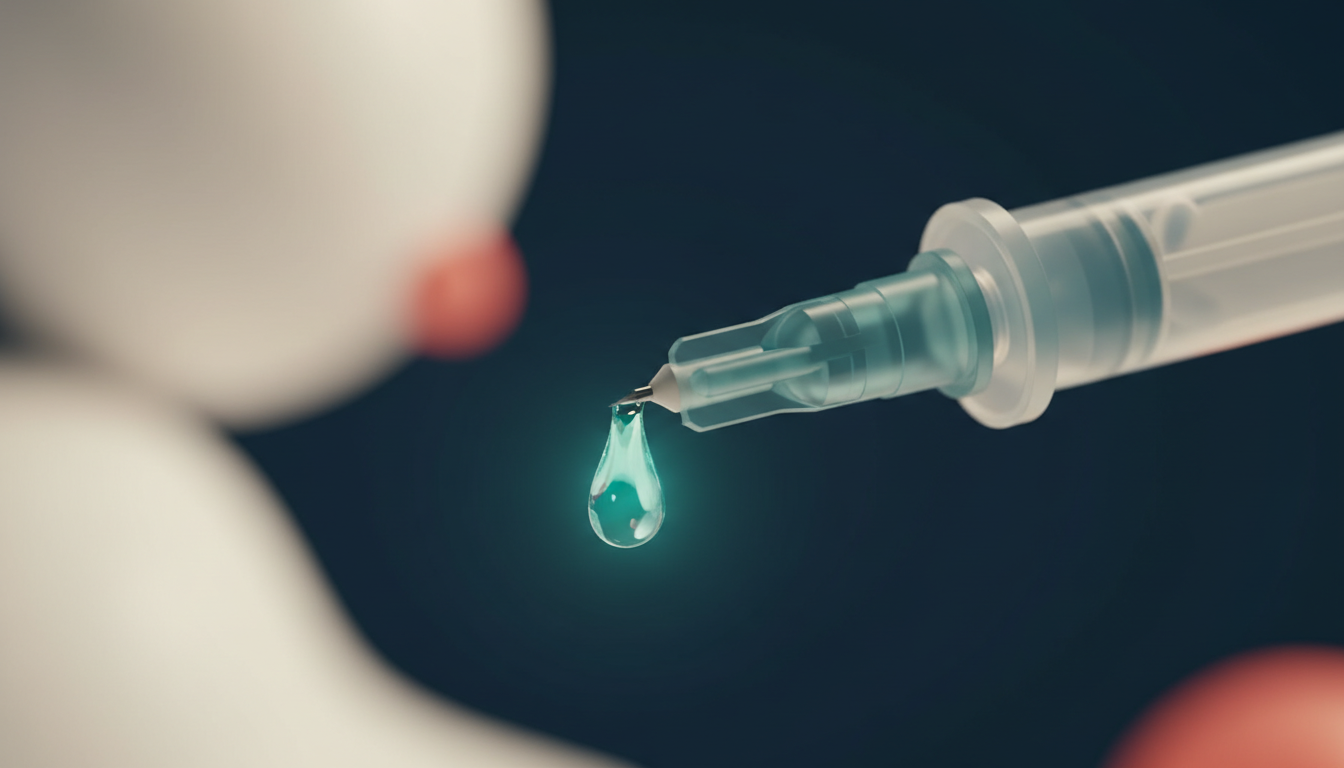
A subcutaneous injection (in plain English: a shot placed just under the skin) delivers medication into the fatty layer beneath the skin’s surface. That layer is called the subcutaneous tissue. The needle is short — usually four to eight millimeters — and the angle is shallow (NCBI Bookshelf, Subcutaneous Injection, 2024).
How it works
Picture a sponge sitting between the skin and the muscle below. When the medication lands in that sponge, the body absorbs it slowly through the small blood vessels woven through the fat. That slow absorption is the point. It gives a steady release rather than a sudden spike, which matches how most peptides are designed to work.
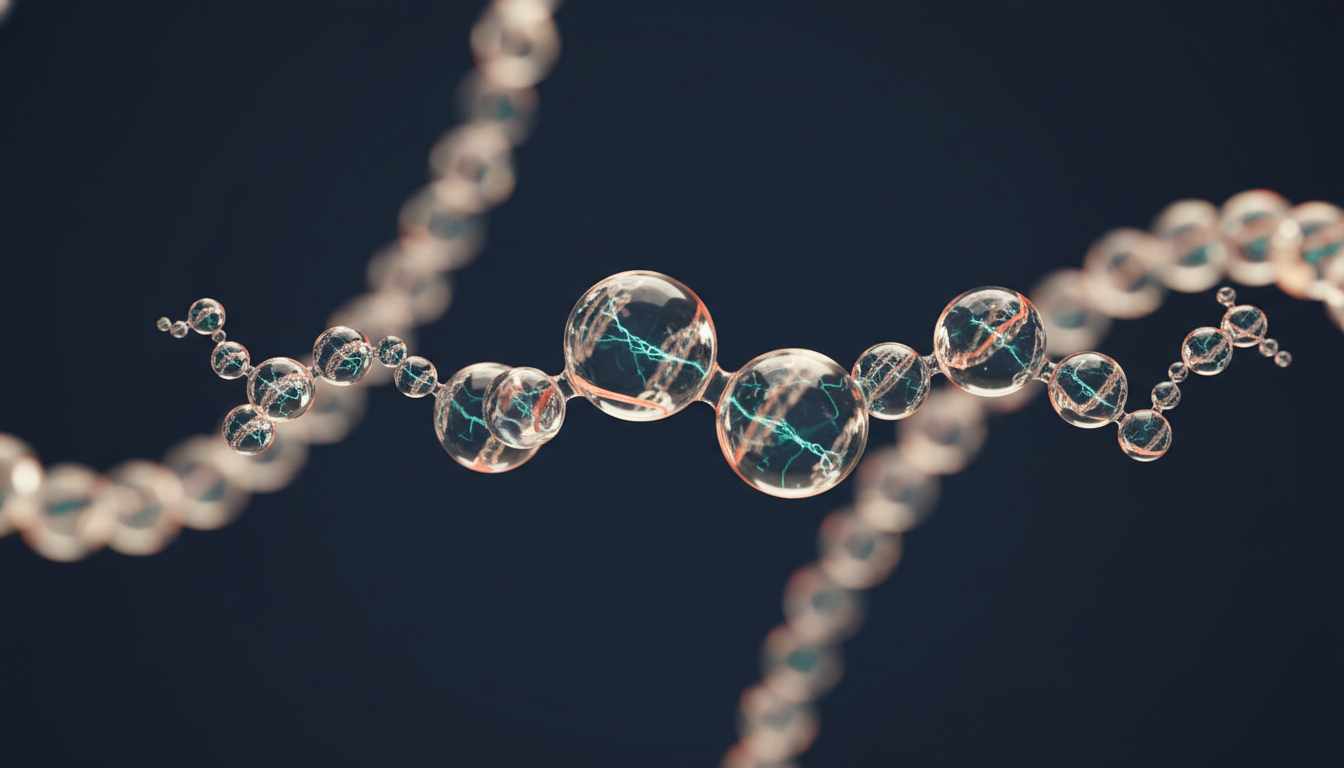
Most peptides are short chains of amino acids (in plain English: the building blocks of protein). The digestive system treats them like food and breaks them apart. An injection bypasses that breakdown so the molecule reaches the bloodstream intact (Bruno et al., Therapeutic Delivery, 2013).
Who asks about it
People usually arrive at this question after their first prescription. They want a clear picture of what the injection feels like, where it goes, and why a pill version does not exist. That is the right place to start.
What the research says
Subcutaneous administration is the standard route for many peptide and biologic medications, including insulin, GLP-1s, and growth hormone analogs. Published pharmacology reviews show that absorption is slower than intravenous and faster than oral, which suits peptides with multi-hour half-lives (Bruno et al., 2013).
What to know before considering it
Any peptide injection requires a licensed clinician’s prescription and instructions. Self-injection technique is taught one-on-one, and rotating sites prevents irritation. Sterile single-use needles and proper sharps disposal are non-negotiable.
The Halftime POV
The injection is the part that scares most people. It rarely should. A short needle, a fatty pinch of skin, two seconds. The technique is simple. The respect for sterility is what matters.
Related reading:
- Why most peptides have to be injected — bioavailability basics
- What are peptides? A plain-English primer
- 503A compounding pharmacies: what they are
FAQ
Q: What is a subcutaneous injection? A: A subcutaneous injection (in plain English: a shot just under the skin) places medication into the layer of fatty tissue beneath the skin. The body absorbs it slowly into the bloodstream from there.
Q: Why do peptides need to be injected? A: Most peptides are short chains of amino acids that the digestive system would break down before they reach the bloodstream. Bypassing the gut with an injection lets the molecule arrive intact.
Q: Where on the body do you inject? A: The most common subcutaneous sites are the abdomen, the upper outer thigh, and the back of the upper arm. A clinician walks each patient through technique and rotation.
Disclaimer
This article is educational and is not medical advice. Compounded medications are not FDA-approved. Clinical outcomes depend on individual factors and require physician evaluation. Results vary. Halftime Health is launching soon — join the waitlist to get updates.
Get updates
Halftime Health is launching soon. We’ll share what we learn along the way — the research, the regulations, the real-world trade-offs. Join the waitlist and we’ll email you when we’re live.
Sources
- Subcutaneous Injection. StatPearls / NCBI Bookshelf, 2024.
- Bruno BJ, Miller GD, Lim CS. Basics and recent advances in peptide and protein drug delivery. Therapeutic Delivery, 2013.
Sources & references
- ncbi.nlm.nih.gov — https://www.ncbi.nlm.nih.gov/books/NBK556121/
- pubmed.ncbi.nlm.nih.gov — https://pubmed.ncbi.nlm.nih.gov/26616131/